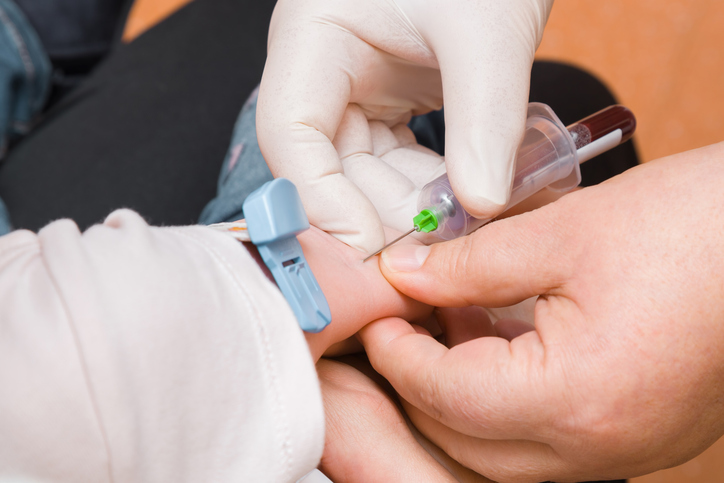
A baby affected by hemolytic disease of the fetus and newborn (HDFN) is at risk of developing severe anemiaAnemia A condition that occurs when the body doesn’t have enough healthy red blood cells to carry oxygen to its tissues. In HDFN, anemia occurs when maternal antibodies destroy fetal red blood cells., which may result in blood transfusions to replace their depleted red blood cells.
However, each blood transfusion results in additional iron accumulating in the body. Added to the often high levels of iron from the intrauterine blood transfusions as well as their own stores of iron, the newborn risks suffering from iron overload.
What is HDFN?
Hemolytic disease of the fetus and newborn (HDFN) is an immune-mediated red blood cell (RBC) disorder that occurs when a baby’s RBCs break down quickly, which is called hemolysis. HDFN is caused by a mismatch between a mother’s and her baby’s blood type (A, B, AB, or O) or Rhesus (RhRh factor A protein or antigen found on red blood cells. When an Rh-negative mother carries an Rh-positive fetus, her immune system may make antibodies that attack the fetus' red blood cells.) factor (Rh-positiveRh-Positive A blood type trait that means your red blood cells have the Rh(D) antigen. or Rh-negativeRh-Negative A blood type trait that means your red blood cells lack the Rh(D) antigen.) during pregnancy. Numerous antibodiesAntibody A protein made by the immune system that recognizes and attacks foreign substances, such as bacteria, or in HDFN, fetal red blood cells carrying incompatible antigens. to RBC antigensAntibody A protein made by the immune system that recognizes and attacks foreign substances, such as bacteria, or in HDFN, fetal red blood cells carrying incompatible antigens. can be linked to HDFN, such as those from the ABO and Rh blood groupBlood group A classification of blood based on inherited markers found on red blood cells. The ABO and Rh blood groups are most common in HDFN. systems.
Anemia in HDFN-affected infants
If untreated, during pregnancy anemia can be life-threatening for the fetus, resulting in cardiac arrest, swelling of the internal organs and even fetal death. The primary treatment in utero is intrauterine transfusionIntrauterine transfusion A procedure that delivers donor red blood cells to the fetus through the umbilical vein to treat severe anemia caused by HDFN. of Rh-negative donor blood, ranging from two to eight transfusions. While the goal is to increase the fetus’ red blood cell count to combat anemia, it also increases the levels of iron in the blood.
This means that babies with HDFN are born with an elevated amount of iron in their blood. The levels need to be tested and monitored until the newborn is cleared, often during the first three months, before prescribing any blood transfusions or iron supplements that might lead to an excess of iron in the newborn’s blood.
Treating anemia in HDFN newborns
Anemia is also closely related to the development of jaundiceJaundice A common symptom of HDFN, jaundice is caused by excess bilirubin and is characterized by a yellow tint to the skin or eyes. (hyperbilirubinemiaHyperbilirubinemia A common cause of jaundice, this refers to higher than normal bilirubin levels in the blood.) in HDFN-affected newborns. As red blood cells break down, they produce bilirubinBilirubin A yellow substance produced when red blood cells break down. High bilirubin levels in newborns with HDFN can cause jaundice or, in severe cases, brain damage., which accumulates in the blood and can have serious consequences if untreated. The treatment of anemia also helps in managing jaundice.
As HDFN newborns do not suffer from iron-deficiency anemia but hemolytic anemia, iron supplements are not recommended. Folic acid supplements have been shown to help in treating anemia by contributing to the creation of new red blood cells.
The risks of too much iron
Maternal-fetal experts in the NICU will be aware of the importance of not overloading the newborn with iron, as adverse events can include internal organ damage and death. A ferritin test is standard procedure, to determine the levels of ferritin in the newborn’s blood. This is a blood protein that stores iron in the blood.
Excess stores of iron can have long-term effects, such as liver damage, portal hypertension, cholestasis, coagulopathy abnormal liver enzymes, free-radical damage and death. If iron overload occurs, chelation therapy can help lower the amount of iron in the blood. This is a treatment that uses medicine to bind to the iron, which is then eliminated in urine or feces.