
Rare Patient Voice rewards patients & caregivers for sharing insights
Rare Patient Voice has more than 200,000 registered patients and family caregivers spanning rare, chronic and complex conditions.
Rare Patient Voice has more than 200,000 registered patients and family caregivers spanning rare, chronic and complex conditions.

Learn more about when a baby receives the most maternal antibodies during pregnancy and how the antibodies are transferred to the fetus.

Though a child’s HDFN diagnosis is in no way their parent’s fault, it is normal to have feelings of guilt after they are diagnosed.

Learn more about the factors that affect when you can delivery your baby following an HDFN diagnosis, including fetal age, growth and more.

Learn more about what you can expect if your child has to stay in a neonatal intensive care unit after birth.

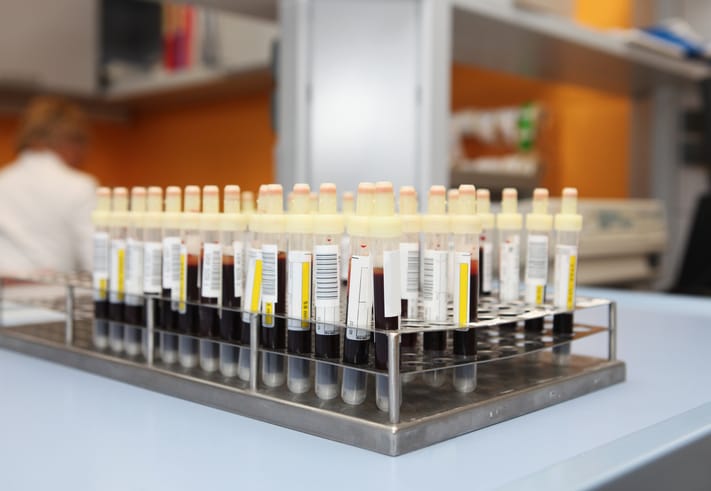
Though drawing blood may be painful or stressful for an infant, there are ways parents can help the process be more comfortable.

Learn more about what a critical titer is in HDFN and how it can change depending on which antibody type caused the disease.

Learn more about how you and your doctors can monitor and track your baby’s movement patterns during pregnancy.

Learn more about the resources needed to treat HDFN and what to look for when choosing a hospital for your delivery and care.
In some rare cases, chorionic villus sampling can cause the mother to come into contact with the infant’s blood, leading to alloimmunization.