
What resources are available for those affected by HDFN?
Several associations and support groups provide advice and information for families dealing with HDFN, as well as specialized medical care.
Several associations and support groups provide advice and information for families dealing with HDFN, as well as specialized medical care.

HDFN occurs when a mismatch is reported between a mother’s and her baby’s blood type or Rhesus (Rh) factor. Read about the early signs of the disease.

Read about how babies affected by HDFN can experience symptoms such as anemia and jaundice, which can impact outcomes in newborns.
The ABO blood group system was discovered and the first ABO testing system was developed in 1911.
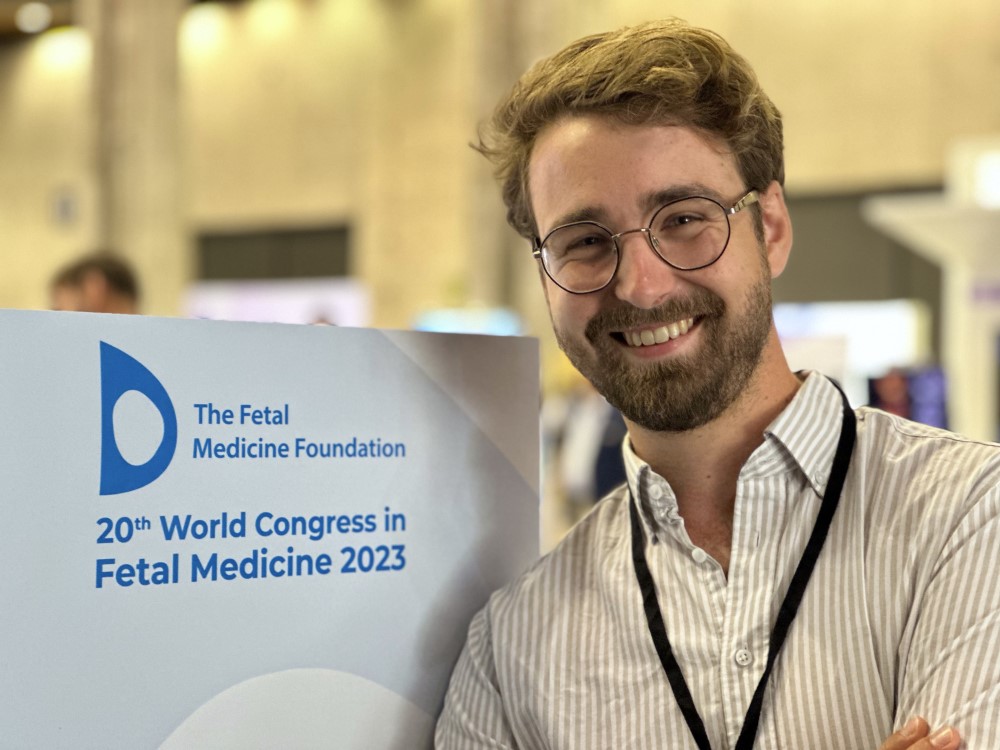
There is an urgent need for a registry of patients with hemolytic disease of the fetus and newborn (HDFN), says Derek de Winter, M.D.

Hemolytic disease of the fetus and newborn (HDFN) is more common in some geographical areas and demographics around the world than others.

While early diagnosis is an important factor in successfully treating HDFN, it can be prevented in some instances.

Phototherapy is the first line of treatment for jaundice in newborns, which can result from hemolytic disease of the fetus and newborn (HDFN).

Read about how IVIG therapy is used to treat unborn and newborn infants suffering from hemolytic disease of the fetus and newborn (HDFN).

Intrauterine blood transfusions are the cornerstone of prenatal treatment and management of hemolytic disease of the fetus and newborn (HDFN).

