
Neonatal jaundice vs HDFN: Understanding the differences
Hyperbilirubinemia or jaundice is relatively common in newborns, but when it’s a symptom of HDFN, it can become more serious.
Hyperbilirubinemia or jaundice is relatively common in newborns, but when it’s a symptom of HDFN, it can become more serious.

An HDFN diagnosis can often coincide with other factors and conditions, many of which include maternal alloimmunization.

When a baby is diagnosed with HDFN, the baby’s caregivers will be required to make decisions for the baby based on their healthcare provider’s advice.

Find out everything you need to know about routine antenatal screening in hemolytic disease of the fetus and newborn (HDFN).
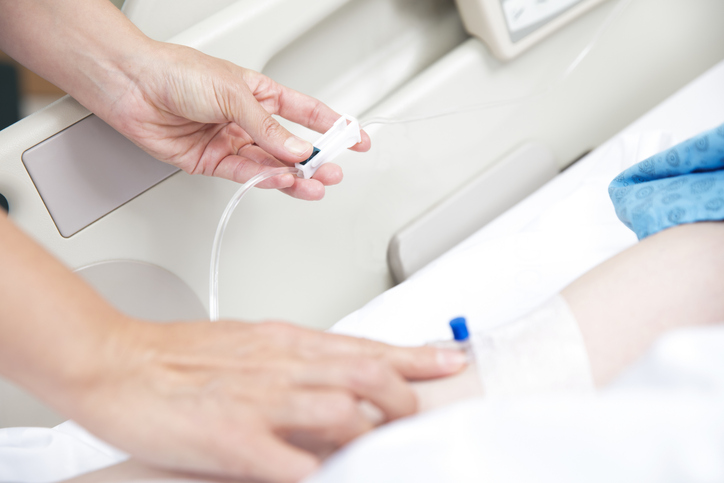
IUTs and blood transfusions can be life-saving procedures for fetuses with HDFN, but there are some potential complications to be aware of.

Greater healthcare disparities exist in lower-income countries or low-resource areas, which lack the funding, technology and infrastructure to treat and diagnose HDFN.

If a mother and her baby don’t share the same blood group or have different Rh factors, there is a significant risk of the mother’s blood developing antibodies that attack her baby’s red blood cells. Without close monitoring and timely treatment, this can lead to hemolytic disease of the fetus and newborn (HDFN).

If HDFN is untreated or progresses to a severe form, anemia can worsen and lead to immune hydrops fetalis. This is the most dangerous complication related to HDFN and has high rates of mortality.
With the right treatment plan and preventative measures in place, many infants and newborns with HDFN make a full and quick recovery after delivery.

Before 1945, up to 50% of fetuses with Rh-HDFN died.