
A guide to cord blood banking and HDFN
Cord blood, which is rich in stem cells, can be used to treat a variety of cancers, immune system deficiencies and genetic disorders, including HDFN.
Cord blood, which is rich in stem cells, can be used to treat a variety of cancers, immune system deficiencies and genetic disorders, including HDFN.
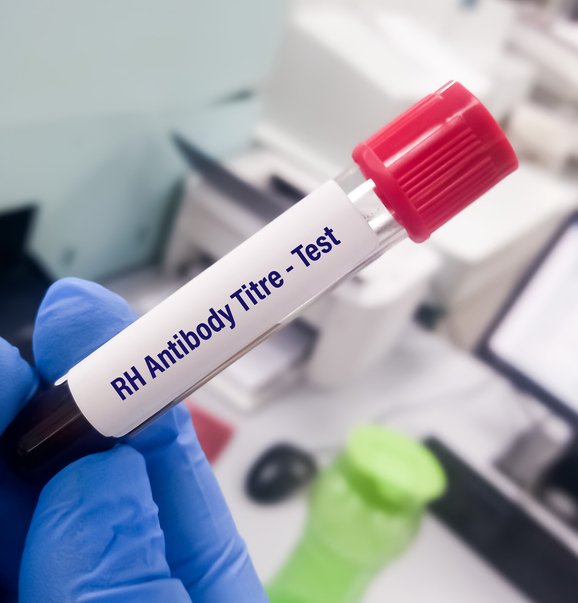
After anti-D antibodies, anti-K and anti-c are the most frequent causes of HDFN, and both are known to cause severe presentation of the disease.

Several tests can be performed prior to a baby’s birth to check for the presence of both HDFN and fetal anemia, which is a common symptom of HDFN.

A newborn affected by hemolytic disease of the fetus and newborn (HDFN) may have difficulty feeding due to a number of factors.

Most babies affected by hemolytic disease of the fetus and newborn (HDFN) are born prematurely and require specialized care to manage their symptoms.

Fetuses affected by hemolytic disease of the fetus and newborn (HDFN) are often born prematurely, at a gestational age of less than 37 weeks.

The importance of a maternal-fetal medicine specialist and multidisciplinary team for HDFN pregnancies cannot be overstated.

A mother’s mental health and well-being are vital to delivering a healthy baby, and for Rh-negative mothers at risk of HDFN, this is even more important.

Rh incompatibility occurs when a mother is Rh-negative and her fetus is Rh-positive, which is common in hemolytic disease of the fetus and newborn (HDFN).

Various resources are available to help parents with infants diagnosed with HDFN, including patient assistance programs that can offer financial aid.

