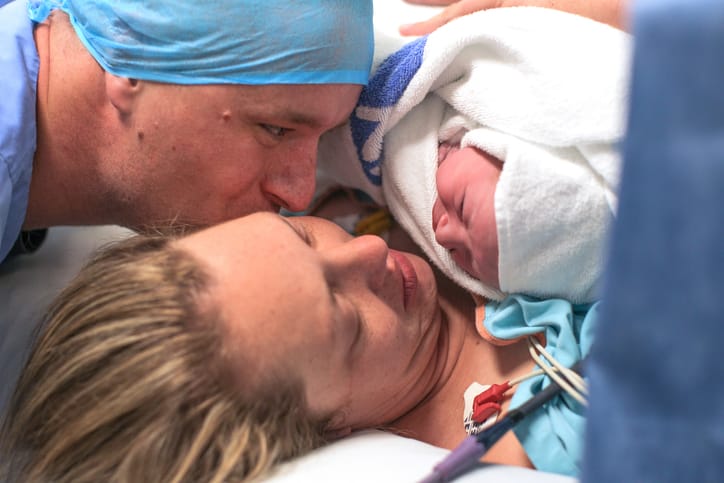
An emergency cesarean, commonly known as a C-section, is not uncommon in high-risk pregnancies like those affected by hemolytic disease of the fetus and newborn (HDFN).
If your baby is in distress or at risk during labor, your doctor may recommend an emergency C-section. Being aware that an emergency C-section may be a possibility and taking steps to ensure you’re prepared if it does become a necessity can help you manage anxiety and keep calm during delivery.
What is HDFN?
Hemolytic disease of the fetus and newborn (HDFN) is an immune-mediated red blood cell disorder that occurs when a baby’s RBCs break down quickly, which is called hemolysis. HDFN is caused by a mismatch between a mother’s and her baby’s blood type (A, B, AB, or O) or Rhesus (Rh) factor (Rh-positive or Rh-negative) during pregnancy.
When may an emergency C-section be required?
An HDFN-affected pregnancy is considered high-risk and involves regular monitoring of the fetus to detect the onset of fetal anemia. Severe fetal anemia often requires urgent treatment by intrauterine transfusions (IUT) to avoid complications such as strain on the heart that could lead to hydrops fetalis.
What is hydrops fetalis?
Hydrops fetalis is a symptom of an underlying medical condition that affects an unborn baby and can occur with HDFN. In this condition, large amounts of fluid accumulate in the baby’s tissues or organs. If it remains untreated, this abundance of fluid can place stress on the fetal heart and other vital organs.
While considered a life-saving treatment for severe fetal anemia, intrauterine transfusions may, in some cases, lead to an emergency C-section. This may be due to:
Fetal distress: The fetus may become stressed and experience an irregular heart rate. Fetal movements may slow down, which is cause for concern.
Bleeding: The IUT involves inserting a needle into the umbilical cord. This can cause bleeding or negatively affect the umbilical cord.
Preterm labor: The procedure may irritate the uterus, triggering the rupture of membranes or premature labor.
Complications of HDFN-related severe anemia
If the fetus is at risk as a result of worsening HDFN-related symptoms, an emergency C-section will be advised. This removes the fetus from the toxic effects of the maternal antibodies and allows for the urgent treatment of severe anemia. Once the baby enters the third trimester and it is safe for an early delivery, the decision becomes easier to make.
Learn more about HDFN symptoms and risks
How to prepare for a possible emergency C-section
An emergency C-section is an unexpected outcome that may not align with your birth plan. As soon as your pregnancy is categorized as high-risk, it is advisable to add flexibility to your vision of how you will welcome your baby.
While preparing for a possible emergency C-section, keep in mind the following:
Be flexible: Revise your birth plan so the focus is on the best delivery option for the health and well-being of your baby.
Be organized: Have your hospital bag ready early, and include extra outfits and supplies, in case you have to stay there for several days. Ensure your family and friends know you may be in the hospital for longer than you originally planned.
Be informed: Do some research on emergency C-sections, including the procedure, anesthesia, recovery and how it can change your postnatal experience.
Be prepared emotionally: As with any surgery, an emergency C-section can be stressful. Try to practice deep breathing techniques to calm your anxiety, and if you can, try to have someone there with you for support.
Sign up here to get the latest news, perspectives, and information about HDFN sent directly to your inbox. Registration is free and only takes a minute.