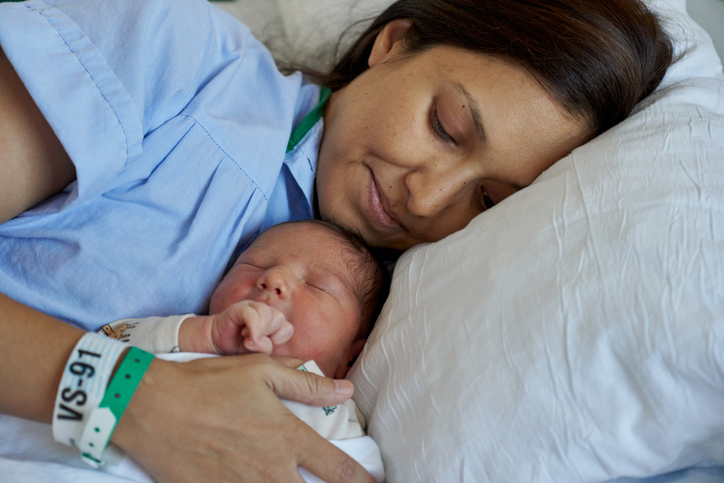
After a traumatic birth, healing from postpartum post-traumatic stress disorder (PTSD) is possible—and for many parents, it’s the beginning of a powerful journey toward feeling like themselves again.
A difficult labor and delivery can be due to myriad reasons, and those with high risk pregnancies, like ones affected by hemolytic disease of the fetus and newborn (HDFN), are more at risk. Here’s what you should know if you are healing from a traumatic birth experience.
What is PTSD?
PTSD is a mental health condition that occurs as a result of experiencing or witnessing a psychologically stressful or traumatic event. Symptoms are varied and may include feeling anxious, sad or angry, trouble concentrating, difficulty sleeping, negative thoughts and having flashbacks or dwelling on the event by playing it over in your mind.
For a diagnosis of PTSD to be made, symptoms must last for an extended period and can affect daily functioning, like relationships and work.
What can make a birth traumatic?
A traumatic birth experience can include events or interactions that cause emotional distress or physical pain during or after childbirth. Up to 45% of new mothers experience birth trauma. This could include:
- Birth complications
- Long or difficult labor
- Tearing or beeding
- An emergency cesarean
- Overwhelming pain or insufficient pain relief
- Injury to mother or baby
- Unexpected medical intervention for mother or baby
These events can range from mild to severe, and the emotional stress is felt differently by each person according to their experience.
Tips for managing PTSD
A negative experience during childbirth can significantly impact the joy of welcoming your baby and may even have lasting effects on your mental health and relationship with your baby. It is recommended to take the symptoms of PTSD and to ask for help. These are some of the ways to manage PTSD:
- Ask your doctor for advice and a referral to a therapist.
- Make regular appointments with your counselor or therapist to talk through your experience and how it has affected you.
- Practice self-care and be kind to yourself as you heal.
- Consider antidepressants or anti-anxiety medications to help manage anxiety or depression.
- Communicate openly with your family and close friends, as their support will help you manage your symptoms and the workload/responsibility of having a new baby.
Postnatal PTSD can be treated, and early diagnosis and treatment can help you get back to enjoying your time with your baby and family.
Sign up here to get the latest news, perspectives, and information about HDFN sent directly to your inbox. Registration is free and only takes a minute.