
Zygosity testing is often used to determine a fetus’ risk of developing hemolytic disease of the fetus and newborn (HDFN).
If antibodiesAntibody A protein made by the immune system that recognizes and attacks foreign substances, such as bacteria, or in HDFN, fetal red blood cells carrying incompatible antigens. are detected in the Rh-negativeRh-Negative A blood type trait that means your red blood cells lack the Rh(D) antigen. pregnant mother, paternal zygosity testing is often performed to check if the father has the antigen against which the mother has developed antibodies. This helps doctors understand the risk of the fetus developing HDFN and allows for closer monitoring and reinforced prenatal care.
What is zygosity testing?
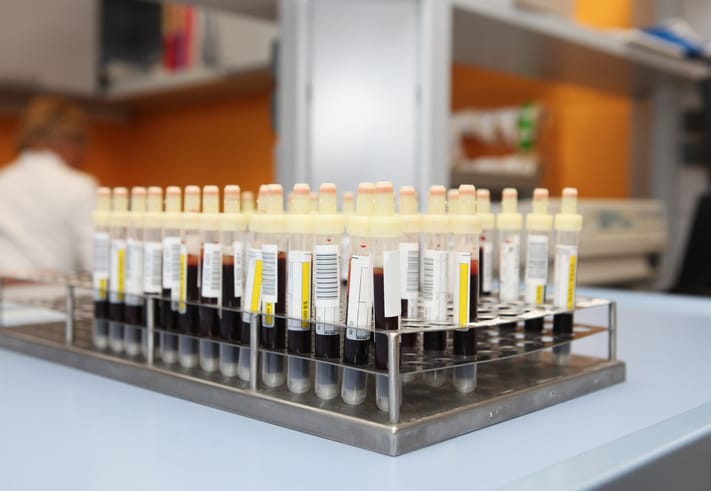
A zygosity test is a highly accurate DNA-based test that involves taking a blood sample from the father which is then analyzed by a laboratory. It determines if the father has the antigen that has triggered an immune response in the mother and confirms the level of risk for the fetus in having the same antigen.
DNA is extracted and PCR-based genotyping is carried out. It can take one to two weeks to receive the results, but timing may change depending on where you’re located.
What do the test results mean for my child?
Prenatal testing includes checking the mother’s blood type and RhRh factor A protein or antigen found on red blood cells. When an Rh-negative mother carries an Rh-positive fetus, her immune system may make antibodies that attack the fetus' red blood cells. status. If you are Rh-negative, you will be tested for Rh antibodies. If the mother’s blood and the fetus’s blood accidentally come into contact, this causes the mother to become sensitizedSensitization The process by which a mother’s immune system becomes “primed” to recognize and attack fetal red blood cells carrying incompatible antigens. and develop antibodies. If antibodies are detected, you will receive Rh immunoglobulinIntravenous immunoglobulin A therapy made from donated antibodies that may help reduce the mother’s immune response and protect the fetus. (RhoGAM) at around 28 weeks’ gestation and then post-delivery if your baby is Rh-positiveRh-Positive A blood type trait that means your red blood cells have the Rh(D) antigen..
The father of your baby will need to undergo zygosity testing to determine whether he is homozygous or heterozygous for the red blood cell antigen that your maternal antibodies are targeting (RhD, RhC, Rhc, Rhe, Kell, etc).
If he is homozygous (RhD+/RhD+), there is a 100% chance your baby will inherit the antigen.
If he is heterozygous (RhD+/RhD-), there is a 50% chance of your baby inheriting the antigen.
If the father is heterozygous, your doctor will likely order a non-invasive cell-free DNA test to see if the fetus is Rh-negative or Rh-positive. This can also be determined via amniocentesis after 15 weeks’ gestation, but it is an invasive test, and the risk of hemorrhage is high, potentially leading to fetal distress and even miscarriage in rare cases.
If the father is homozygous or your baby is Rh-positive, there is a risk of HDFN, and your healthcare team will need to adapt your prenatal care. Close monitoring, Doppler scans and regular blood tests to monitor your antibodyAntibody A protein made by the immune system that recognizes and attacks foreign substances, such as bacteria, or in HDFN, fetal red blood cells carrying incompatible antigens. levels will ensure early intervention if your baby has developed HDFN.
Sign up here to get the latest news, perspectives, and information about HDFN sent directly to your inbox. Registration is free and only takes a minute.

