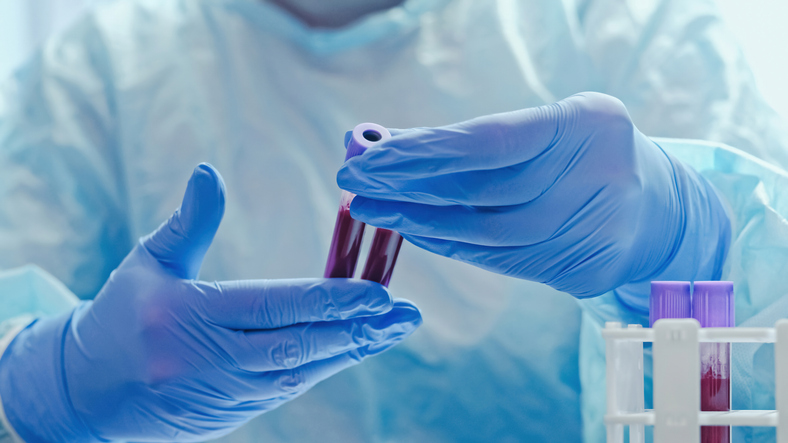
As a rare red blood disorder, one of the symptoms of hemolytic disease of the fetus and newborn (HDFN) is anemia, and before an infant can be treated for it, a ferritin test is often required.
What is HDFN?
Hemolytic disease of the fetus and newborn (HDFN) is an immune-mediated red blood cell (RBC) disorder that occurs when a baby’s RBCs break down quickly, which is called hemolysis. HDFN is caused by a mismatch between a mother’s and her baby’s blood type (A, B, AB, or O) or Rhesus (Rh) factor (Rh-positive or Rh-negative) during pregnancy. Numerous antibodies to RBC antigens can be linked to HDFN, such as those from the ABO and Rh blood group systems.
What is ferritin?
Ferritin is a protein in the blood that stores iron. A ferritin test is a simple blood test to measure the iron levels of a newborn with HDFN before proceeding with any treatment that may increase their iron levels, such as blood transfusions or iron supplementation.
Ferritin levels are often high at the time of birth in babies affected by HDFN and remain so for the first three months. Blood transfusions are a common treatment for HDFN, but as they are high in iron, levels need to be checked before initiating a blood transfusion.
The dangers of too much iron
Some people may try to treat their infants with HDFN with iron supplements, but this can be very dangerous. Infants with HDFN have hemolytic anemia rather than iron-deficiency anemia, so iron supplements are not recommended.
As red blood cells break down, iron remains stored in the body. While iron is essential for producing red blood cells and carrying oxygen through the body, an overload of iron can be detrimental.
Too much iron can lead to serious adverse effects in infants, including liver damage, portal hypertension, free-radical damage and even death.
The risks of anemia in HDFN-affected newborns
Newborns affected by HDFN often suffer from anemia and jaundice, which are closely related. Anemia is a result of the destruction of the red blood cells.
As these red blood cells are destroyed, they release bilirubin, which builds up in the baby’s blood, causing jaundice post-delivery. Jaundice can have severe long-term effects if not promptly treated, with the risk of bilirubin crossing into the brain and causing brain damage.
The seriousness of these two conditions can vary from case to case, and anemia often doesn’t require treatment. In more severe cases, the fetus may benefit from an intrauterine transfusion (IUT) or a blood transfusion or an exchange transfusion post-delivery, with blood sourced from a Rh-negative blood donor. However, before any of these procedures are carried out, a ferritin test must be performed.