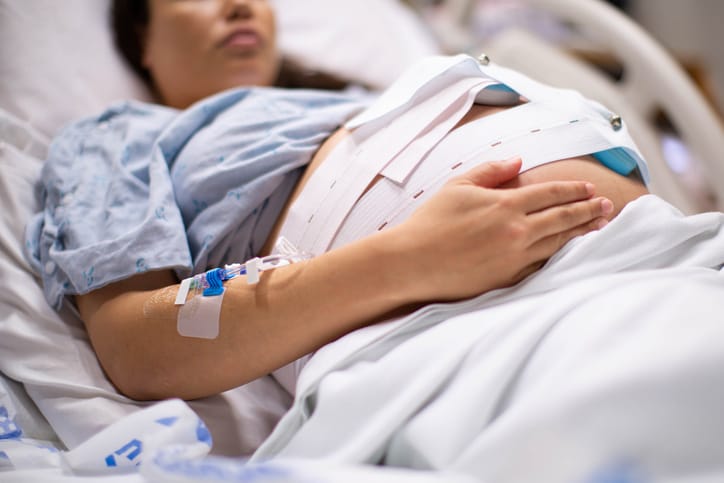
The choice of a natural birth in a pregnancy affected by hemolytic disease of the fetus and newborn (HDFN) will depend on the severity of symptoms and the overall health of the fetus.
Your health care team will advise you on the safest delivery option to ensure the best outcomes for your baby. Be prepared that the decision may be taken out of your hands if your baby suffers severe anemia or other complications. In this case, your baby is most likely to be born via an elective or emergency cesarean.
What is HDFN?
Hemolytic disease of the fetus and newborn (HDFN) is an immune-mediated red blood cell disorder that occurs when a baby’s RBCs break down quickly, which is called hemolysis. HDFN is caused by a mismatch between a mother’s and her baby’s blood type (A, B, AB, or O) or Rhesus (Rh) factor (Rh-positive or Rh-negative) during pregnancy.
Factors that affect the choice of delivery in HDFN
In HDFN, babies are more likely to be delivered by cesarean. While uncomplicated vaginal births have been reported in HDFN-affected pregnancies, there are a number of factors that will affect the mode of delivery. The maternal-fetal specialist will assess the benefits of early delivery to treat HDFN symptoms versus the benefit of waiting until the fetus’s lungs are fully mature.
HDFN symptoms: The severity of HDFN symptoms varies, with some babies relatively unaffected and others suffering from severe anemia and its complications, such as hydrops fetalis, edema or cardiac failure. If the baby is at risk, an emergency cesarean will be performed.
Fetal lung maturity: Your baby’s lungs won’t be fully developed until 34-36 weeks’ gestation. If a premature delivery is required, corticosteroids can be administered to help the baby’s lungs mature.
Overall fetal well-being: The impact of HDFN symptoms and medical intervention to treat them may cause your baby to become distressed. This may be identified as a result of changes in the heart rate or reduced fetal activity.
In some cases, premature labor will be triggered by a medical procedure such as an intrauterine transfusion.
Stay flexible in your delivery expectations
The benefits of a natural birth are undisputed, namely fewer respiratory issues for the baby and faster recovery for the mother. However, in high-risk pregnancies such as those affected by HDFN, the situation can change quickly. Ultimately, the best delivery option will be the one that ensures the best outcomes for your baby.
Throughout pregnancy, the situation may evolve, and you will need to be flexible in your expectations of your birth experience.