
A pregnancy affected by hemolytic disease of the fetus and newborn (HDFN) can be a challenging experience for you and your family.
You will be under close medical supervision throughout your pregnancy, and you will likely require medical intervention to treat your baby’s symptoms and help prevent complications. There will be moments of stress and anxiety, provoking feelings of helplessness.
You will also need to process a lot of information to understand the possible risks and associated treatments. Preparing for your baby’s postnatal care can be a proactive way to channel your energy into ensuring your baby has the best care post-delivery.
What is HDFN?
Hemolytic disease of the fetus and newborn (HDFN) is an immune-mediated red blood cell disorder that occurs when a baby’s RBCs break down quickly, which is called hemolysis. HDFN is caused by a mismatch between a mother’s and her baby’s blood type (A, B, AB, or O) or Rhesus (RhRh factor A protein or antigen found on red blood cells. When an Rh-negative mother carries an Rh-positive fetus, her immune system may make antibodies that attack the fetus' red blood cells.) factor (Rh-positiveRh-Positive A blood type trait that means your red blood cells have the Rh(D) antigen. or Rh-negativeRh-Negative A blood type trait that means your red blood cells lack the Rh(D) antigen.) during pregnancy.
Postnatal needs of an HDFN-affected newborn
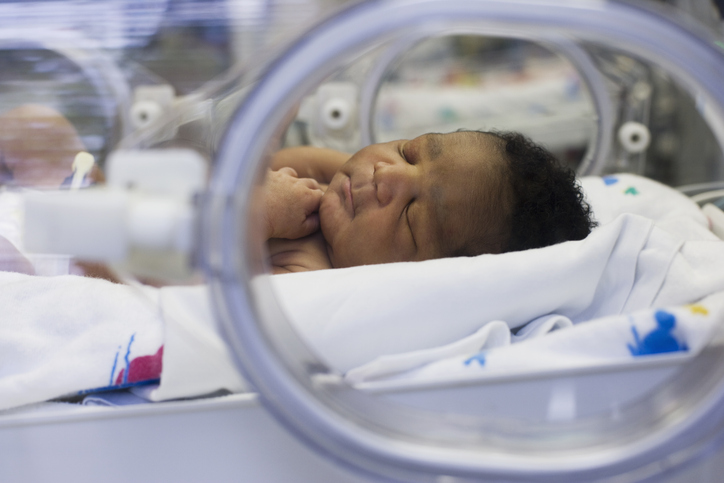
Newborns affected by HDFN are often born prematurely at less than 37 weeks’ gestation. If your baby is delivered early, he or she may experience complications that require specialized care, such as difficulty breathing or low birth weight. Following delivery, he or she will be immediately transferred to the Neonatal Intensive Care Unit (NICU) to treat possible preterm complications and symptoms of HDFN.
Finding support in the NICU
To help you plan for your time there, most NICU have staff available to support you by providing information, as well as emotional care and practical advice. There are also a variety of resources online to help you prepare, with support groups and patient associations providing clear guidance on how to manage this difficult time.
It is helpful to know ahead of time what to bring, what to leave at home and what to expect in terms of the treatment your baby will require postnatally and the access you will have to your baby during this time.
In addition, it is important to understand your baby’s HDFN symptoms and how they are treated. Your baby will require blood tests to monitor antibodyAntibody A protein made by the immune system that recognizes and attacks foreign substances, such as bacteria, or in HDFN, fetal red blood cells carrying incompatible antigens. levels and bilirubinBilirubin A yellow substance produced when red blood cells break down. High bilirubin levels in newborns with HDFN can cause jaundice or, in severe cases, brain damage. levels in the blood, then phototherapyPhototherapy A treatment that uses special blue light to help newborns break down bilirubin and prevent kernicterus. to treat jaundiceJaundice A common symptom of HDFN, jaundice is caused by excess bilirubin and is characterized by a yellow tint to the skin or eyes. and blood transfusions to treat anemiaAnemia A condition that occurs when the body doesn’t have enough healthy red blood cells to carry oxygen to its tissues. In HDFN, anemia occurs when maternal antibodies destroy fetal red blood cells.. Understanding these next steps ahead of time will help you to manage the situation more effectively and confidently.
Here are some useful online resources with information on HDFN and what to expect post-delivery:
Returning home
Your baby may need to remain in hospital for several days to a few weeks post-delivery. Your healthcare team will keep you informed of your baby’s progress, and you will be able to look forward to leaving the hospital with your baby.
You may find taking your baby home from the hospital to be an exciting and daunting step. As well as preparing your home environment to welcome your baby, you will have a series of follow-up appointments and possibly blood transfusions to attend in the weeks following discharge from the hospital.

