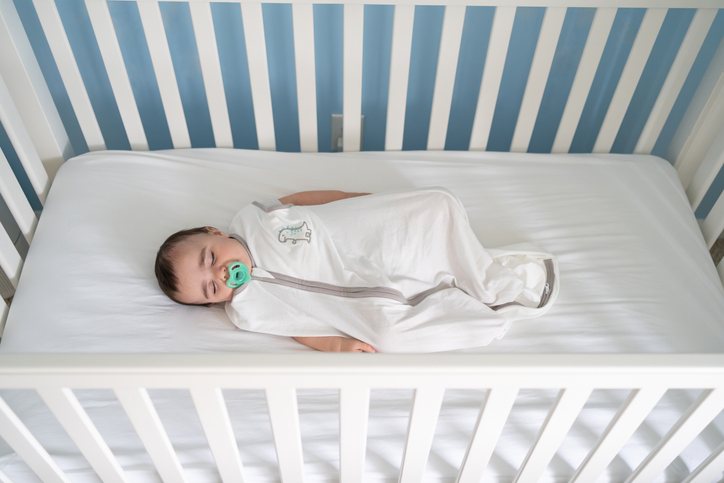
As a new parent, it can be nerve-wracking when you finally find yourself at home and 100% responsible for your new baby. You may feel anxious putting your baby down for a nap, feeling it necessary to watch your baby sleep, afraid to leave their side. However, by following advice from the American Academy of Pediatrics (AAP) Safe Sleep Recommendations you can ensure that a good night’s sleep is had by all.
Called Safe to Sleep, this NIH campaign is aimed at educating parents, grandparents and caregivers to help reduce the risk of sudden infant death syndrome (SIDS) and other sleep-related deaths in infants. SIDS refers to the sudden death of a baby under one year, without a clear reason or explanation.
These guidelines are important for any infant, but especially one that has medical complications due to premature birth or a rare disease like hemolytic disease of the fetus and newborn (HDFN). However, the good news is that if your baby experiences a stay in the NICU, they may already be accustomed to sleeping according to safe sleep guidelines before you bring them home.
Preparing a safe sleep environment for your baby
To provide a comfortable and safe space for your baby to sleep, follow these guidelines:
- Ensure your baby has their own sleep space and doesn’t share a bed with you or a sibling. A crib or bassinet in your room is recommended.
- Choose a firm, flat, level bed – it must quickly return to its original shape if pressed on, to avoid suffocation.
- Cover the mattress with a fitted sheet only – other blankets and coverings increase the risk of suffocation.
- Take out all toys or crib bumpers – they can lead to injury or suffocation
- Dress your baby in a wearable blanket that is adapted to the temperature of the room, keeping their face and head uncovered – overheating increases the risk of SIDs.
- Place your baby on their back to sleep – it is safer than stomach sleeping for small babies who may overheat or suffocate on their stomachs. Tummy time should be reserved for when they are awake, and you can supervise.
- Keep the sleep area smoke-free and vape-free – breathing clean air is important.
- Give your baby a pacifier at naptime or at night – preferably after they are happily breastfeeding.
Maintaining the general health of your baby is a key factor in preventing SIDS. Babies who have been born prematurely or with a low birth weight are at greater risk of SIDS and may require closer monitoring. Regular check-ups with your doctor and adhering to the immunization schedule are recommended for reducing the risk of SIDS. Feeding your baby human milk, either expressed or from the breast is still considered the best option.
Finally, you may like to install a baby monitor to keep an eye on your baby while they are sleeping.