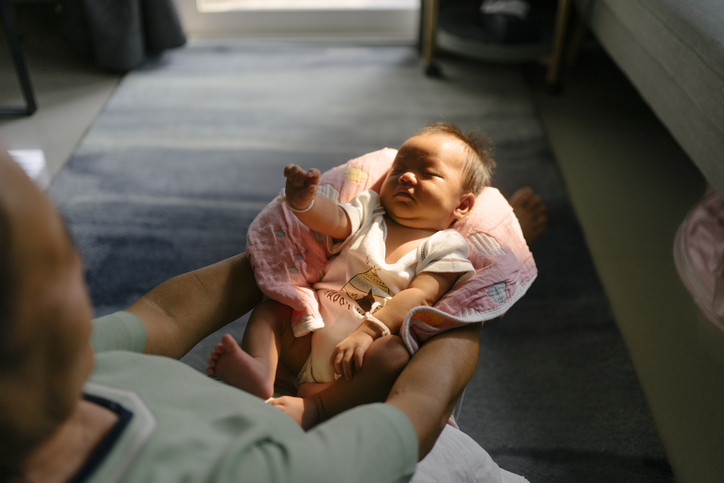
Rare blood group antibody linked to severe HDFN in newborn
A case of HDFN caused by anti-Jkb antibody highlights the need for detailed blood tests in infants with unexplained jaundice.
A case of HDFN caused by anti-Jkb antibody highlights the need for detailed blood tests in infants with unexplained jaundice.

Modern HDFN therapies are largely effective, but global treatment access is not uniform.
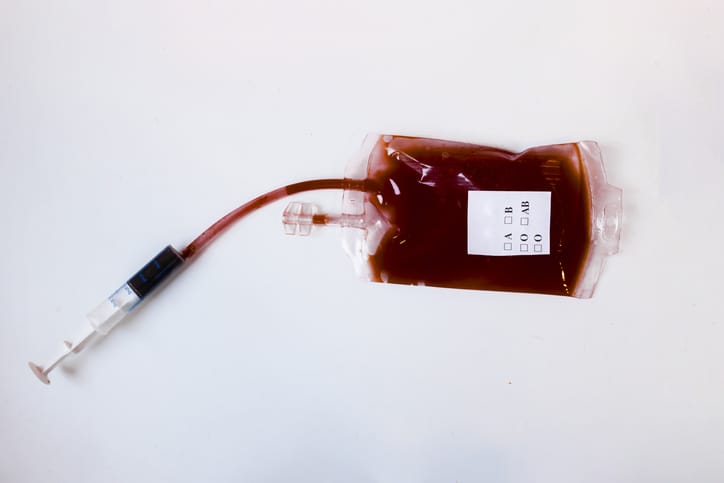
Some patients who received a blood-filtering treatment were able to wait until they were further along in their pregnancies to begin IUTs.

A case report described a woman with endometrial cancer in India with an extremely rare blood group type, complicating blood transfusions.

Researchers developed and validated a retrospective method for accurately identifying cases of HDFN to better understand its epidemiology.

Early transcutaneous bilirubin screening helps identify newborns at risk for dangerous jaundice related to HDFN before symptoms worsen.

Modifying existing phototherapy procedures, introducing adjunct therapies and changing light sources may improve HDFN treatment.

Researchers reached a consensus on six recommendations regarding the management of alloimmunized pregnancies.

Many RhD-negative pregnant women lose detectable anti-D protection before delivery, which may leave a small window of risk for HDFN.

Researchers found phototherapy, a common treatment for HDFN, is associated with a slightly higher cancer risk.