
Researchers release IUT best practices for fetal anemia, HDFN
A group of researchers recently published a set of recommendations for intrauterine transfusion standard practice.
A group of researchers recently published a set of recommendations for intrauterine transfusion standard practice.

The presence of certain variants of the RhD antigen could indicate a risk of developing hemolytic disease of the fetus and newborn (HDFN).

Testing bilirubin levels in newborns can prevent jaundice, which is often caused by HDFN, a case study shows.

Despite a decrease in recent years in HDFN mortality rates, researchers found a significant need for transfusions and treatment after birth.
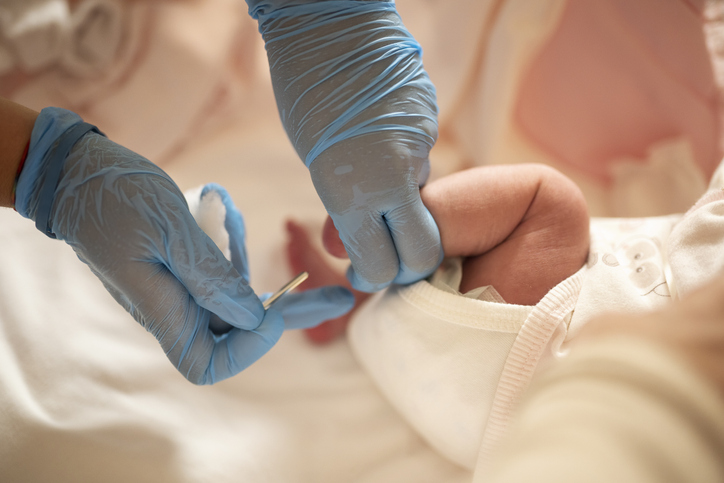
A study shows large-volume transfusions may produce a more pronounced improvement in hemoglobin levels and lead to shorter hospital stays in newborns with anemia, including in infants with hemolytic disease of the fetus and newborn (HDFN).

Researchers have identified a positive correlation between hemolytic disease of the fetus and newborn (HDFN) survival and the World Bank income class of the country where the pregnancy took place.

HDFN pregnancies with multiple types of antibodies against the fetal red blood cells require cooperation between specialties for treatment.

A potential HDFN treatment has shown promising clinical results and will now move to a phase 3 trial.
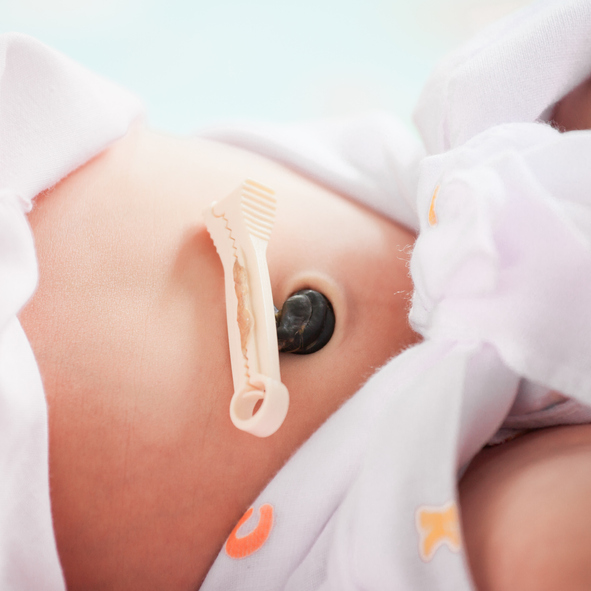
For newborns diagnosed with hemolytic disease of the fetus and newborn (HDFN), a delayed clamping of the umbilical cord during delivery appears to be beneficial and safe, according to a recently published study.
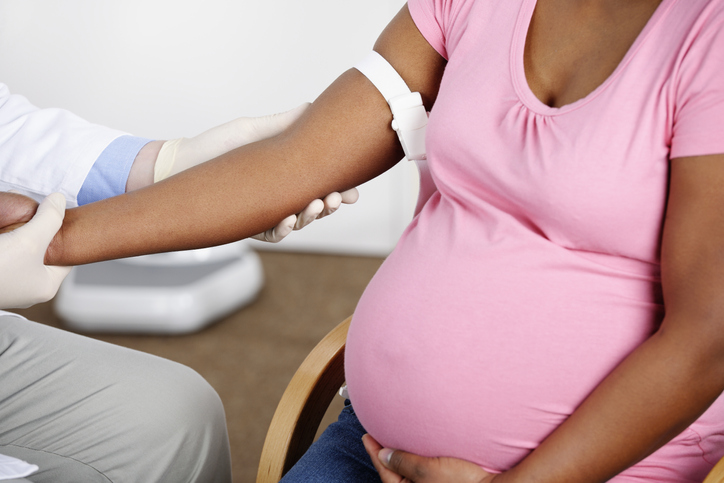
A recent study found that a monocyte monolayer assay (MMA) appears to accurately predict the severity of hemolytic disease of the fetus and newborn (HDFN).