
Birth plan tips for HDFN-affected mothers
In high-risk pregnancies, such as pregnancies affected by HDFN, a birth plan should include details for any possible scenario.
In high-risk pregnancies, such as pregnancies affected by HDFN, a birth plan should include details for any possible scenario.

If left untreated, jaundice can lead to kernicterus, which requires urgent medical attention and comes with great risk to an infant.
Learn more about how FNAIN and HDFN differ, including the causes, symptom management, diagnosis, treatment and more.

Learn about the similarities and differences between FNAIT and HDFN, including diagnosis, treatment and long-term effects.

The risk of hemolytic disease of the fetus and newborn (HDFN) is not greater in babies conceived through IVF, but it can still occur.

A bili blanket allows a newborn with jaundice to undergo phototherapy at home, instead of in a hospital or medical facility.
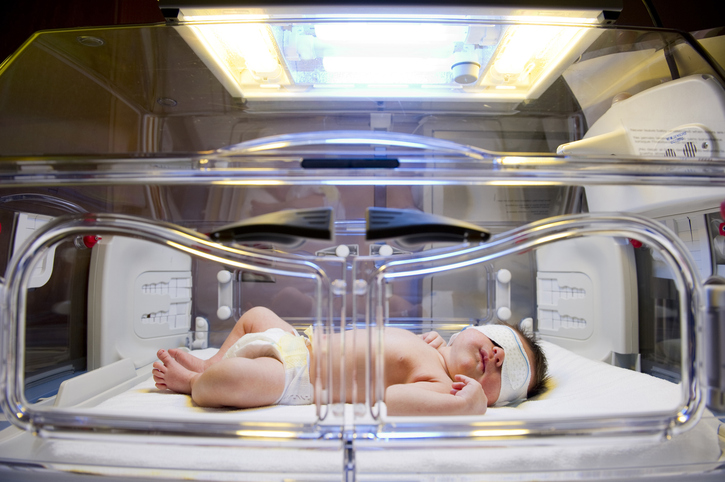
Learn about the risks of high bilirubin levels in infants, how it is treated and how long treatment typically takes.

Though hemolytic disease of the fetus and newborn (HDFN) can occur in first pregnancies, it is more common in subsequent pregnancies.
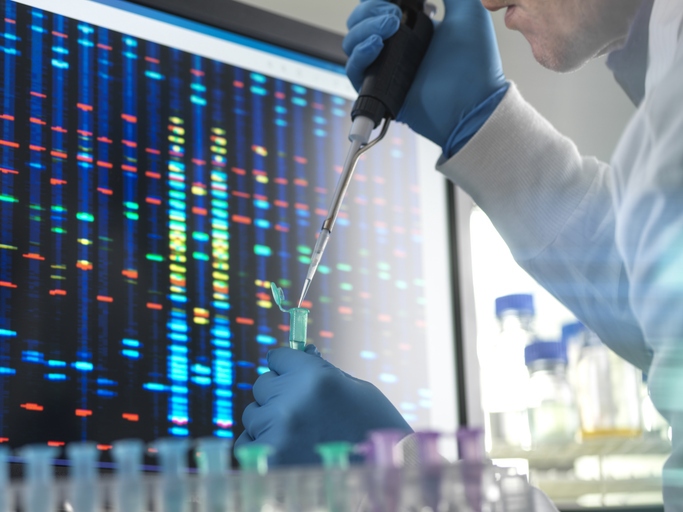
Learn about the role of genetic testing and counseling in HDFN and how it can help with disease prediction, diagnosis and treatment.

Though a father’s role in medical decision-making is limited during an HDFN-affected pregnancy, they still play a vital role in support and advocacy.