How to advocate for your infant with HDFN
Read on for information, tips and resources to help you be informed and advocate for your infant with HDFN.
Read on for information, tips and resources to help you be informed and advocate for your infant with HDFN.

Learn more about what the UNITY test entails, the antibodies it tests for and how it can detect HDFN and other conditions in-utero.

In some pregnancies affected by HDFN, a catheter known as a permacath may be placed to provide easy access to the bloodstream.

A slower IVIG infusion rate can help reduce the risk of side effects and potentially improve the efficacy of the treatment.

In those at risk of HDFN, IVIG can delay the need for intrauterine transfusions (IUTs) and reduce the need for exchange transfusions.

For HDFN-affected pregnancies, intravenous immunoglobulin (IVIG) and plasmapheresis may be recommended to delay or prevent fetal anemia.

Children’s hospitals have specialized care teams, which can play an important role in achieving successful outcomes in HDFN.
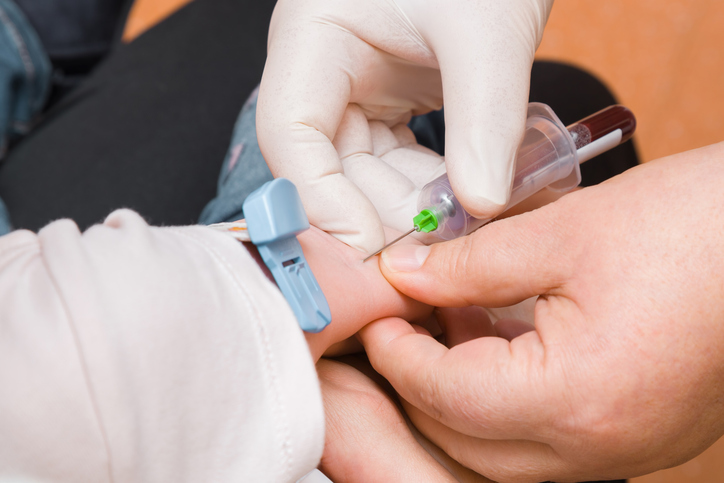
An infant battling hemolytic disease of the fetus and newborn (HDFN) may be at risk of iron overload due to the treatments required.
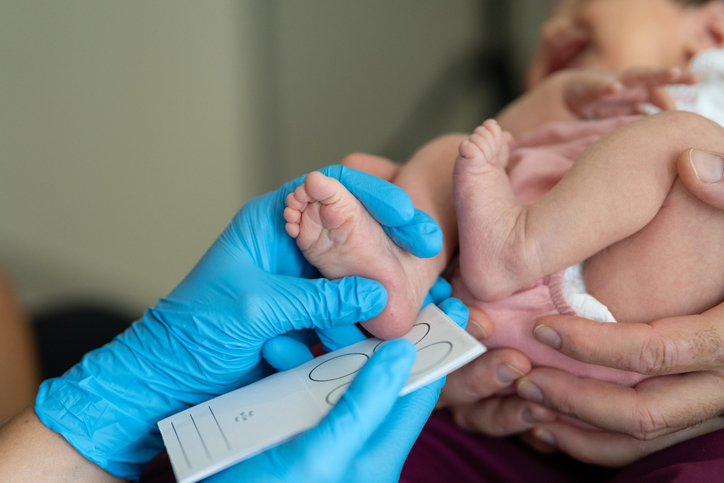
Following hospital discharge, it can be difficult to determine the right time to bring your baby with HDFN in for a follow-up appointment.

Both iron and folic acid are recommended in some circles to treat HDFN, but it is vital for parents to understand that only one is safe.