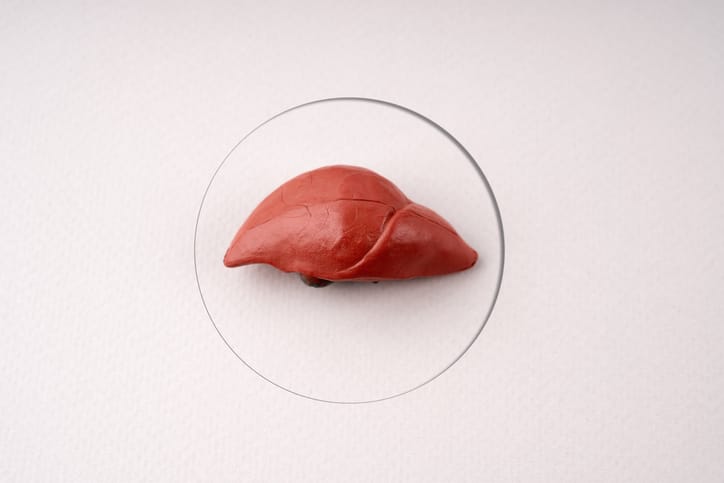
The liver’s role in bilirubin processing and hemolysis
Learn more about how the liver processes bilirubin and what happens if an infant has excess bilirubin, which is common in HDFN.
Learn more about how the liver processes bilirubin and what happens if an infant has excess bilirubin, which is common in HDFN.

Just because your loved ones may be unfamiliar with HDFN doesn’t mean they can’t help you care for your affected infant.
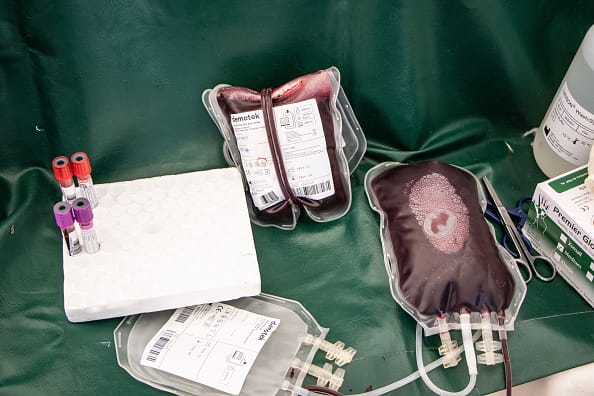
If your infant has a blood transfusion, their blood type may temporarily change, but it will eventually return to its original type.

If you have to travel to get your infant specialty care, you will likely benefit from planning ahead to avoid any unnecessary challenges.

Learn about the tests often performed on infants with HDFN, including what they measure and how many will be required.
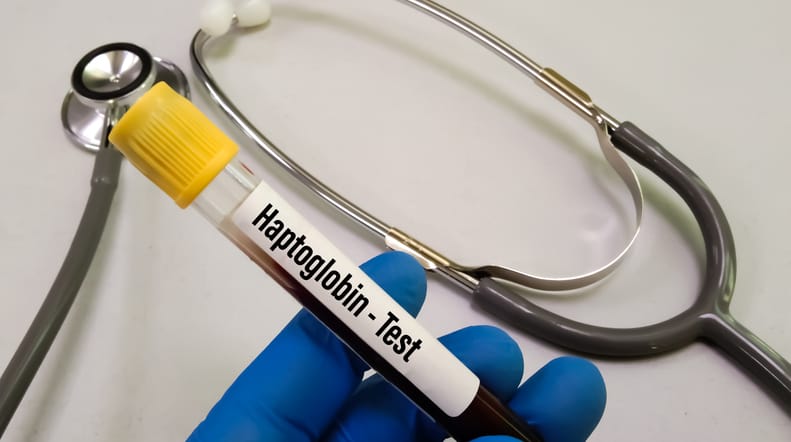
Learn more about haptoglobin, including what it is, how it works and why infants with HDFN often have low haptoglobin levels.

Learn more about rebound hyperbilirubinemia in newborns, including its causes, symptoms and treatment options.

Learn about where and how to find information related to HDFN research, diagnosis, clinical trials and treatments.

Learn more about how to tell your child who was affected by HDFN their birth story in a way they can understand.

An infant with HDFN can experience a number of symptoms, including lethargy, floppiness, excessive fatigue and irritability.