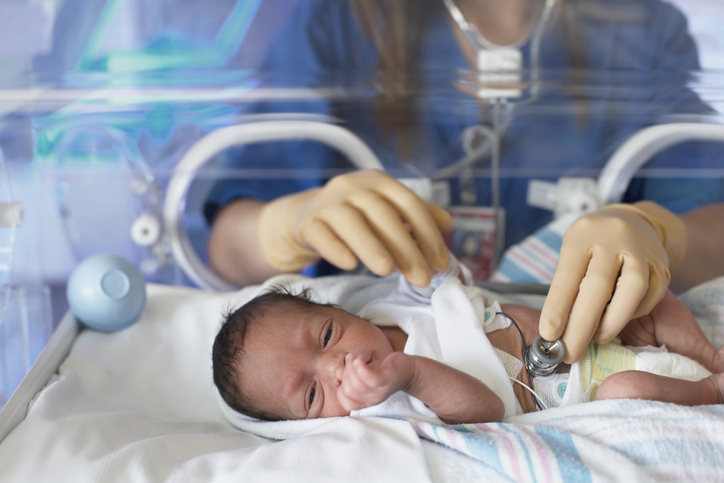
Religious and cultural considerations in HDFN treatment
HDFN treatment often includes blood transfusions for an infant, which a parent may accept or deny, depending on their own personal beliefs.
HDFN treatment often includes blood transfusions for an infant, which a parent may accept or deny, depending on their own personal beliefs.

When hemolytic disease of the fetus and newborn (HDFN) is a possibility, the mother will seek the care of an obstetrician or gynecologist.

Midwives and doulas play a significant role during labor and birth, providing care and supporting the mother and her family.

If HDFN develops in multiples, the risk for complications is greater, with twins more likely to be premature with a low birth weight and more comorbidities.
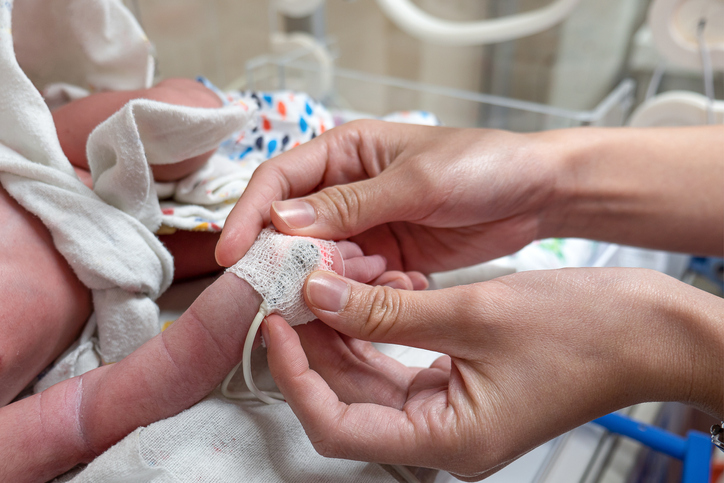
Neonatologists are chief care providers of a newborn, and as such, their responsibilities are extensive and include diagnosing and treating HDFN.

HDFN caused by ABO incompatibility is usually less severe than HDFN caused by Rh incompatibility.

In neonates with HDFN who are anemic, the level of severity of their anemia can range from mild to severe.

Delays in HDFN treatment can lead to long-term health implications such as neurodevelopmental impairment, deafness, seizures and cerebral palsy.

HDFN treatment may interfere with a child’s immune response to certain routine live virus vaccines, including measles, mumps and rubella (MMR) vaccination.

Feeding among newborns with HDFN may be poor, as some complications of HDFN may affect a newborn’s nutritional status.